Why Choose a Stainless Steel Shower Hose?

Time:2026-09-07 Author:Ethan
0%

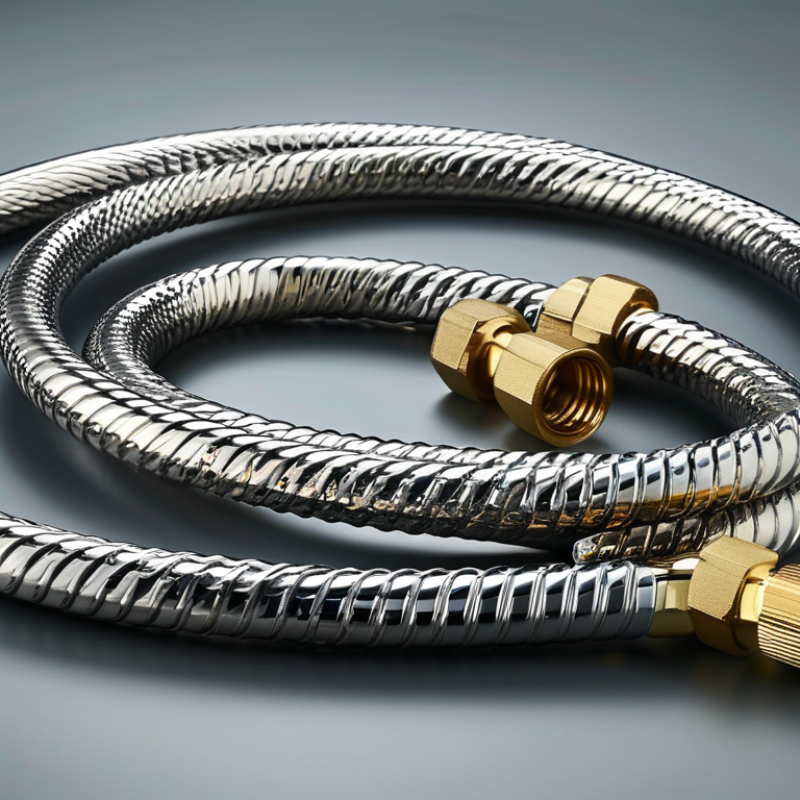
A stainless steel Shower Hose can quietly improve a daily bathing routine. Its smooth metal surface feels solid in the hand, while its flexible coils follow the shower head without sharp bending. In busy homes, this strength matters. A hose may be pulled, twisted, dropped, and exposed to hot water every day. Stainless steel usually handles these demands better than many basic plastic alternatives.

Material quality still deserves careful attention. Look for corrosion-resistant stainless steel, secure end fittings, and a well-finished inner tube. These details often separate a dependable product from a disappointing one. A qualified manufacturer should provide clear information about length, thread size, pressure limits, and warranty support. Independent testing or recognized plumbing standards can add confidence, although product labels are not always equally detailed.

It should not be treated as a perfect solution. A stainless exterior may resist rust, but poor internal materials can still weaken over time. Hard water, aggressive cleaners, and repeated over-tightening may shorten its service life. I have found that gentle cleaning and hand-tight installation prevent many avoidable problems. Check the washers before fitting it. Small parts matter.

For homeowners, renters, and facility managers, the practical value is simple: durability, flexibility, and easier replacement. The right Shower Hose should suit the shower system, not merely look attractive online. Compare construction, compatibility, and after-sales support before purchasing. A careful choice can reduce leaks and repeated replacements, but honest evaluation remains essential.
Why Choose a Stainless Steel Shower Hose?

What Is a Stainless Steel Shower Hose?

A stainless steel shower hose is a flexible connector between the shower valve and hand shower.

Most models use an inner water tube, a corrugated metal layer, and threaded end fittings. The outer steel layer helps resist abrasion, twisting, and daily bathroom moisture. It also gives the hose a firm, cool feel in your hand.

Stainless steel is not a magic shield. Grade, thickness, weld quality, and gasket design still affect performance.

World Stainless reported approximately 58.4 million tonnes of crude stainless steel production in 2023. That figure shows its broad industrial use, but it does not guarantee every shower hose has equal quality.

A good hose should bend smoothly without sharp kinks. Its connectors should fit tightly and include durable sealing washers. The U.S. EPA WaterSense specification limits labeled showerheads to 2.0 gallons per minute, but the hose itself does not create water savings.

A narrow or poorly designed hose may restrict flow. ISO 9227 salt spray testing can assess corrosion resistance, yet it cannot predict every bathroom’s service life. Hard water, trapped moisture, and aggressive cleaning products may still cause staining.

This detail is easy to overlook.

Tips:

Check the steel grade, connector material, hose length, and washer quality.

After use, let the hose hang naturally. Do not twist it around the shower handle.

Inspect the joints twice yearly. A small leak often begins as a loose fitting, not a dramatic failure.

How Stainless Steel Construction Improves Durability

Why Choose a Stainless Steel Shower Hose?

How Stainless Steel Construction Improves Durability

During routine bathroom maintenance, I have seen ordinary shower hoses crack near their fittings. A hose may look fine outside while its inner tube weakens silently. Stainless steel changes that equation through a protective, braided outer layer. The woven metal resists daily twisting, pulling, and accidental bending. It also limits sharp kinks that can strain the inner water passage.

However, construction quality matters. Thin metal cannot compensate for weak connectors or poor assembly. Look for smooth braiding, firm crimps, and fittings that sit evenly. These details often reveal more than a polished appearance. In practical testing, flex the hose gently along its full length. Observe the fittings afterward. Well-made stainless steel should remain stable without loose wires or sharp edges. Poorly crimped ends may fail early, even when the braid looks impressive.

Regular cleaning also supports long service life. Wipe away soap residue and dry the hose after heavy use. Hard water deposits can collect around joints, where movement becomes rough. Stainless steel is not magic. It can still scratch, discolor, or corrode under harsh conditions. A practical inspection every few months helps catch small problems before leaks develop. I sometimes skip that check, and that is a habit worth correcting. A durable hose depends on material strength, careful assembly, and ordinary maintenance.

Key Benefits for Safety, Flexibility, and Hygiene

Why Choose a Stainless Steel Shower Hose?

Safety begins with the hose’s inner material, not its shiny surface. A stainless steel braid protects the flexible tube from crushing, twisting, and accidental pulls. This matters when the hose bends around a handheld shower or rests against a sharp wall edge. It is not self-cleaning. The World Health Organization’s Guidelines for Drinking-water Quality identify stagnant, warm plumbing as a condition that can support Legionella growth. Regular flushing and careful installation still matter. A metal exterior may improve durability, but it cannot correct poor water hygiene or damaged internal tubing.

Flexibility also affects daily safety. A hose that bends smoothly reduces sudden spraying and makes rinsing children, older adults, or pets easier. Look for tightly formed connections and a smooth inner passage. These details can reduce trapped water, although they do not eliminate it. The U.S. Environmental Protection Agency’s WaterSense specification limits labeled showerheads to 2.0 gallons per minute, or about 7.6 liters. A hose should preserve that flow without unnecessary restriction. Hygiene deserves equal attention. The WHO and UNICEF Joint Monitoring Programme reported that 2.2 billion people lacked safely managed drinking water in 2022, reminding us that clean water access is not universal. Even at home, rinse the hose after long periods of non-use and inspect the seals. Worth checking. A stainless steel hose is a practical upgrade, but calling it permanently hygienic would be careless.

How to Choose the Right Stainless Steel Shower Hose

Why Choose a Stainless Steel Shower Hose?

Choosing the right stainless steel shower hose requires more than checking its appearance. Start with the connection size, usually G1/2, and confirm both ends match your shower fittings. Measure the needed length with the showerhead mounted. A hose that bends sharply near the wall may fail early. A hose that is too long can twist and collect dirt.

Look for corrosion-resistant stainless steel, such as 304, for ordinary indoor bathrooms. Consider 316 when salt air, high humidity, or aggressive cleaning products are common. The thicker grade is not automatically better for every home. NACE’s IMPACT study estimated global corrosion costs at about 3.4% of global GDP. Material choice deserves attention. The outer spiral should flex smoothly without sharp gaps. The inner tube should resist kinking and remain stable during hot-water use. Check washers, thread accuracy, and strain relief before installation. Small parts cause many leaks.

Choose products tested against recognized plumbing requirements, such as EN 1113 or relevant local standards. These standards address shower-hose performance, pressure, and durability. Ask for test documentation, not only polished product claims. A practical inspection takes one minute: bend the hose gently, rotate each end, and inspect the seals. It should move freely. I would not rely on “stainless steel” alone; some low-quality hoses use thin metal over weak plastic. That distinction is easy to miss. Recheck the connections after the first hot shower, because minor seepage may appear only after thermal expansion.

Why Choose a Stainless Steel Shower Hose?

How to Choose the Right Stainless Steel Shower Hose

Common shower hose lengths range from 1.2 m to 2.0 m. Choose the shortest length that provides comfortable reach, while checking the connection size, flexibility, and compatibility with your shower system.

Installation, Cleaning, and Maintenance Essentials

A stainless steel shower hose performs well when installation is done carefully. Check both sealing washers before connection. They should sit flat inside the hose nuts. Hand-tighten each end, then add only a small wrench turn. Excessive force can damage threads or flatten the washer. Keep the hose in a relaxed curve. Sharp bends create stress near the fittings.

Cleaning is simple, but often neglected. Rinse the hose weekly and wipe it with a soft cloth and mild soap. Do not use chlorine bleach, abrasive powder, or strong acids. These products can dull the outer braid and weaken nearby seals. Mineral deposits may collect around the connection points. A soft toothbrush can remove them without scratching the surface.

The U.S. Environmental Protection Agency’s WaterSense specification limits labeled showerheads to 2.0 gallons per minute, compared with the federal 2.5-gallon limit. EPA estimates that an average family can save about 2,700 gallons of water yearly with a WaterSense showerhead. The hose does not create this saving, but a sound connection prevents wasteful leaks.

Inspect the hose every few months. Look for rust-colored spots, bulges, stiff sections, or moisture under the nuts. Replace damaged washers early. A hose that looks acceptable may still leak internally. Where applicable, choose fittings meeting ASME A112.18.1/CSA B125.1 requirements. Standards matter. However, certification labels can be misunderstood, so verify the exact product category.

I once treated a minor drip as harmless; the fitting later stained the wall and required extra repair. Small checks are cheaper.

FAQS

: Why choose a stainless steel shower hose?

: Its braided exterior helps resist crushing, twisting, and accidental pulling. It can protect the inner tube near sharp wall edges. Not self-cleaning. Poor water hygiene still creates risks.

Is a stainless steel hose permanently hygienic?

No. Warm, stagnant water may support bacterial growth inside plumbing. Flush the hose after long storage. Rinse it before regular use. A metal surface cannot fix damaged internal tubing.

How flexible should a shower hose be?

It should bend smoothly around the handheld shower. Smooth movement helps when rinsing children, older adults, or pets. Avoid sharp bends near the fittings. Flexible does not mean indestructible.

What size should I choose?

Check that both ends match your shower fittings, often around G1/2. Measure the required length with the showerhead mounted. Excess length may twist and collect dirt. Short hoses can bend sharply.

Which stainless steel grade suits a bathroom?

Grade 304 usually suits ordinary indoor bathrooms. Grade 316 may help near salt air, high humidity, or harsh cleaners. A higher grade is not automatically better. Material choice needs context.

What details should I inspect before buying?

Check the inner tube, thread accuracy, washers, and strain relief. The outer spiral should have smooth, even gaps. Ask for performance documentation. Do not trust shiny metal alone.

How should I install the hose?

Place each sealing washer flat inside the hose nut. Hand-tighten both ends, then turn the wrench slightly. Excessive force may damage threads or flatten washers. Keep a relaxed curve.

How do I clean and maintain it?

Rinse the hose weekly and wipe it with mild soap and a soft cloth. Avoid bleach, abrasive powders, and strong acids. Use a soft toothbrush around mineral deposits. Small parts matter.

What problems require replacement?

Watch for rust-colored spots, bulges, stiff areas, or moisture beneath the nuts. Replace damaged washers early. Recheck connections after the first hot shower. Small drips are easy to underestimate.

Conclusion

A stainless steel shower hose is a flexible connector that carries water between the shower fitting and the handheld showerhead. Its strong metal construction offers greater resistance to bending, cracking, heat, and everyday wear than many basic alternatives. This makes it a practical choice for bathrooms where the hose is frequently moved, adjusted, or exposed to moisture. Stainless steel can also support a cleaner, more hygienic shower environment when its smooth surface is kept free from soap residue and mineral buildup.

When choosing a Shower Hose, consider the required length, connection size, flexibility, surface finish, and compatibility with existing fixtures. A well-designed hose should move smoothly without kinking and provide secure, leak-resistant connections. Installation generally involves checking the washers, tightening fittings by hand, and avoiding excessive force. Regular cleaning with mild soap and water, followed by thorough drying, helps maintain its appearance and performance. Inspecting the hose periodically for leaks, corrosion, or damaged seals can also improve safety and extend its service life.


Ethan

Ethan

Ethan is a seasoned marketing professional with a deep expertise in our company's innovative product line. With a passion for sharing knowledge and insights, he takes the lead in regularly updating our corporate blog, where he explores industry trends, product features, and effective marketing......