A Hand In Shower can make an ordinary bathroom feel more controlled, flexible, and comfortable. Unlike a fixed showerhead, it lets users direct water toward their shoulders, feet, or a child’s bath area. That small adjustment can reduce awkward bending and make rinsing easier. It can also support seated showering when paired with a secure grab bar and a properly installed seat. Safety still depends on the whole installation, not the showerhead alone.
Water efficiency adds another practical reason to consider this design. The U.S. Environmental Protection Agency’s WaterSense program states that certified showerheads use no more than 2.0 gallons per minute, compared with the federal maximum of 2.5 gallons. The EPA estimates that replacing older showerheads can save an average household about 2,700 gallons of water and 330 kilowatt-hours of energy annually. That may reduce utility costs, although actual savings depend on household habits and local rates. Every bathroom behaves differently.
Professional guidance also supports a more thoughtful selection process. The National Kitchen & Bath Association’s bathroom design research continues to emphasize wellness, accessibility, and adaptable features in modern renovations. A Hand In Shower fits these priorities when it offers a comfortable grip, smooth hose movement, clear controls, and reliable wall support. However, convenience is not guaranteed. A short hose, slippery handle, or poorly placed bracket can quickly become frustrating. The best choice balances water performance, installation quality, user height, and long-term maintenance. The details matter most.
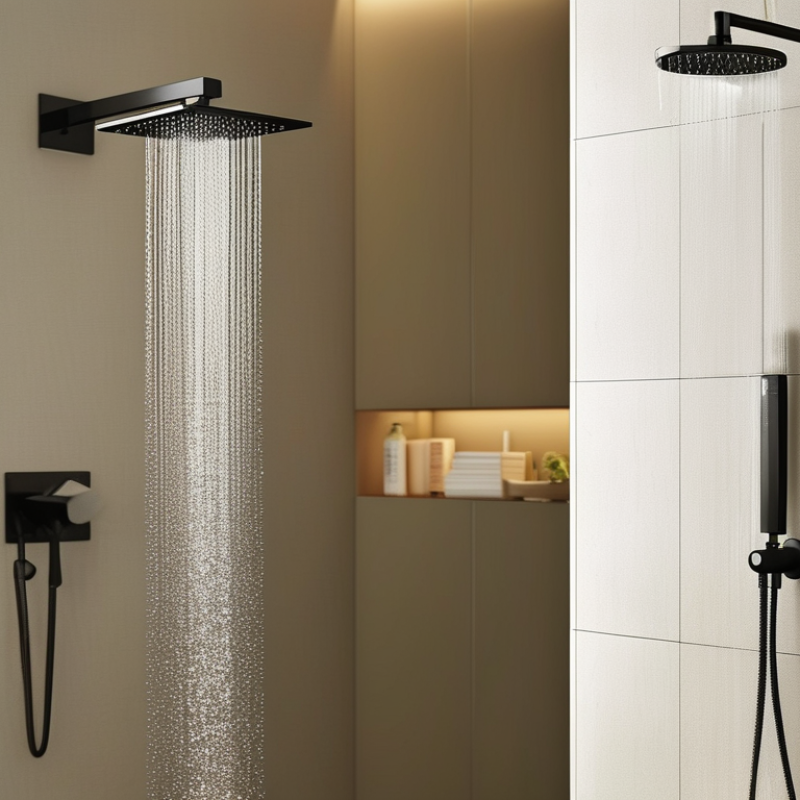
A hand-in shower usually means a handheld shower head connected to a water outlet by a flexible hose. You can lift it from its wall bracket and direct the spray by hand. Inside the fitting, water passes through small nozzles that shape the spray pattern. A diverter can switch water between the handheld head and a fixed shower head. Some systems also include a temperature-control valve, which helps keep the water steady during use.
In daily use, the flexible hose makes rinsing shampoo, cleaning the shower floor, and bathing children more manageable. It can also support people with limited movement, although the bracket should be installed at a safe, reachable height. I have found that a low bracket improves control, but it may cause more bending. That trade-off is easy to overlook. Check the hose connection for drips, especially after installation. Water pressure also affects the spray, so a powerful-looking head may feel weak in some homes.
Tips: Choose a rust-resistant hose and a sturdy wall bracket. Keep the shower head below shoulder height if several people share the bathroom. Do not force the diverter. Turn the control gently, and test the temperature before stepping under the water. A simple installation is often safer than an overloaded one.
A hand in shower adds control where a fixed shower often falls short. You can direct water toward your shoulders, feet, or a child’s hair. During bathroom planning, I have found that a flexible hose also makes cleaning the enclosure easier. Small details matter. A longer hose helps users wash without twisting awkwardly. However, poor mounting height can make the fixture frustrating, especially for shorter users.
Accessibility is a major benefit. The U.S. Centers for Disease Control and Prevention reports that one in four adults aged 65 and older falls each year. A handheld shower can reduce unnecessary reaching when paired with a stable grab bar and a non-slip floor. It cannot replace those safety features. That distinction is important. The National Kitchen & Bath Association’s design research also continues to identify aging-in-place and universal design as important bathroom priorities.
Water performance deserves attention too. The U.S. Environmental Protection Agency’s WaterSense specification limits certified showerheads to 2.0 gallons per minute, compared with the federal standard of 2.5 gallons. That can reduce water use without weakening spray quality. Yet a hand in shower is not automatically efficient. A poorly designed model may encourage longer showers. Check the flow rate, hose length, temperature control, and mount position before buying. I once focused only on appearance, and regretted ignoring the handle’s grip when my hands were wet.
A hand in shower gives a bathroom more flexibility than a fixed showerhead. The handheld unit can rinse shampoo, wash children, or clean the shower floor. It also helps users with limited mobility. During bathroom planning, I check the hose length first. A short hose can make a comfortable shower surprisingly awkward.
Common types include wall-mounted handheld showers, slide-bar models, and combination systems. A slide bar allows users to adjust the height quickly. Combination systems pair a fixed head with a handheld unit. This creates wider spray coverage. Some designs use a diverter, allowing either outlet or both outlets to operate. Thermostatic controls can maintain a steadier temperature and reduce sudden heat changes. An anti-scald limit is still worth checking.
Small details matter. A flexible metal hose feels durable, but it may show water spots. Smooth silicone hoses are easier to wipe clean. Choose a holder that locks firmly, not one that slowly slips. I prefer controls placed outside the direct spray when possible. They are easier to reach and less likely to become slippery. Flow restrictors can reduce water use, although very low flow may feel weak. That trade-off deserves testing.
Design choices range from polished metal to matte finishes and soft neutral colors. Match the fittings with cabinet handles for a balanced look. A recessed wall niche can hold soap, but poor drainage may leave it damp. Grout lines also need regular attention. A beautiful shower can still become inconvenient if storage, reach, and cleaning were treated as afterthoughts.
| Category | Option or Feature | Typical Specification or Description | Main Benefit | Best Suited For |
|---|---|---|---|---|
| Shower Type | Wall-mounted hand shower | Handset connected to a wall outlet with a flexible hose and holder or bracket. | Provides targeted rinsing and can be positioned at a convenient height. | Most standard bathrooms and retrofit projects |
| Shower Type | Sliding-bar hand shower | Handset holder moves vertically along a wall bar, commonly offering adjustable positioning. | Supports different user heights and showering preferences. | Shared bathrooms and family homes |
| Shower Type | Dual hand-and-overhead system | Combines a handheld handset with a fixed overhead shower, often using a diverter valve. | Offers hands-free coverage and precise rinsing in one installation. | Larger shower enclosures and comfort-focused renovations |
| Shower Type | Bath-mounted hand shower | Handset installed on or near a bathtub, usually with a hose and wall or deck holder. | Makes bathing, rinsing hair, and cleaning the tub easier. | Bathtub and shower-bath layouts |
| Control | Single-lever temperature control | One lever regulates water temperature and flow through a pressure-balanced or thermostatic valve. | Simplifies operation and can help reduce sudden temperature changes. | Everyday residential bathrooms |
| Spray Function | Multiple spray patterns | Common settings include a concentrated spray, wide rain spray, massage spray, and pause or reduced-flow mode. | Allows users to change water coverage and intensity. | Households with varied preferences |
| Usability | Flexible hose | A bendable metal or polymer hose, commonly available in lengths of approximately 1.2 to 2.0 metres. | Extends reach for rinsing, cleaning, and seated showering. | Compact enclosures, family bathrooms, and accessible spaces |
| Accessibility | Adjustable or low-position holder | A holder can be installed at a reachable height or combined with a sliding rail for vertical adjustment. | Improves control for seated users, children, and people with limited mobility. | Accessible and multigenerational bathrooms |
| Maintenance | Easy-clean nozzles | Flexible silicone spray nozzles help users wipe away mineral deposits and surface scale. | Makes routine cleaning quicker in hard-water areas. | Bathrooms with frequent use or hard water |
| Water Efficiency | Flow-limited handset | A built-in flow regulator limits output; exact flow depends on local regulations and water pressure. | Can reduce water consumption while maintaining controlled rinsing. | Water-conscious households and rental properties |
| Material | Metal-look or solid metal fittings | Common finishes include chrome, brushed metal, matte black, white, and warm metallic tones. | Supports coordination with faucets, accessories, and bathroom hardware. | Modern, traditional, and transitional interiors |
| Design Style | Minimalist round or square form | Slim handles and simple geometric shapes create a clean appearance with fewer visual details. | Blends easily into contemporary bathroom designs. | Small bathrooms and modern renovations |
| Installation | Retrofit-friendly configuration | A handset, hose, holder, and compatible wall connection can often be added without replacing the entire shower system. | May reduce renovation time and preserve existing wall finishes, subject to plumbing compatibility. | Bathroom upgrades and partial remodels |
Specifications such as flow rate, hose length, valve compatibility, and installation requirements vary by product and local plumbing standards.
Choosing the right hand in shower starts with your bathroom’s real conditions, not appearance alone. Measure the distance between the water outlet and the area where you usually stand. A hose around 1.5 meters often gives useful reach without dragging across the floor. Check your water pressure too. Some spray heads feel weak in low-pressure homes.
Safety deserves close attention.
Select a model with an adjustable holder, a secure grip, and a temperature control that responds smoothly. An anti-scald feature can reduce sudden heat changes, especially for children, older adults, or people with limited movement. I once chose a beautiful shower head with a slippery handle. That choice was not ideal. Wet hands made it difficult to control.
Look for easy cleaning and durable, corrosion-resistant materials.
Rubber spray nozzles help remove mineral deposits with a simple wipe. Choose spray settings you will actually use, rather than collecting unnecessary modes. A wider spray can feel comfortable, while a focused setting helps rinse shampoo from thick hair. Confirm that the connections match your existing plumbing, and ask a qualified installer to check wall strength and water sealing. I would also test the holder’s height before drilling. Small adjustments matter.
Why Choose a Hand In Shower for Your Bathroom?
Installation determines whether a hand shower feels convenient or frustrating. Measure the user’s reach before fixing the wall bracket. The spray hose should hang without touching the floor. Reinforce the mounting area when the wall feels hollow. A qualified installer should check pipe connections and local plumbing requirements. The U.S. EPA WaterSense Specification for Showerheads limits certified models to 2.0 gallons per minute, supporting lower water use without sacrificing basic performance. That figure matters during product selection, but actual savings depend on shower length and household habits.
Use should remain simple. A hand shower helps users rinse children, clean the enclosure, and sit safely when paired with suitable support equipment. Keep the control within easy reach. Test temperature stability before daily use. Never treat the hose as a grab bar. That mistake is easy to make. The Centers for Disease Control and Prevention identifies water-system maintenance as an important factor in reducing Legionella risks, so stagnant water deserves attention in rarely used bathrooms. Flush the line briefly after long periods of disuse, following local guidance.
Maintenance takes only a few minutes each month. Wipe mineral deposits from the spray plate with a soft cloth. Do not scratch the openings with metal tools. Inspect the hose for bulges, cracks, or leaking joints. Replace worn seals early. The EPA WaterSense program also recommends checking flow performance during maintenance, because clogged openings can change spray pressure and user behavior. I would not rely on appearance alone; a clean-looking fitting can still hide a loose connection.
Installation, use, and maintenance are easier to evaluate when water flow and shower duration are considered together. The chart shows calculated water use for a 10-minute shower at common flow rates.
How to read the chart: Water use is calculated as flow rate multiplied by shower time. A 1.5 gallons-per-minute (gpm) shower uses 15 gallons in 10 minutes, while a 2.5 gpm shower uses 25 gallons. Actual performance depends on water pressure, the showerhead, and local plumbing conditions.
Reference context: In the United States, federal standards limit newly manufactured showerheads to 2.5 gpm, while the EPA WaterSense specification uses a maximum of 2.0 gpm for labeled showerheads.
: It can rinse shampoo, wash children, and clean the shower floor. It also supports users with limited mobility. Convenience matters.
Wall-mounted models suit simple layouts. Slide-bar models allow quick height changes. Combination systems provide fixed and handheld spray coverage.
Measure the user’s reach before installation. The hose should hang freely without touching the floor. A short hose feels awkward.
Choose controls with steady temperature management and an anti-scald limit. Test the water before daily use. Never assume stability.
Place controls outside the direct spray when possible. They stay easier to reach and less slippery. The holder must lock firmly.
Flexible metal hoses feel durable but may show water spots. Smooth silicone hoses wipe clean more easily. Neither choice is perfect.
Flow restrictors may reduce water consumption. Very low flow can feel weak, however. Test the spray before deciding.
Wipe mineral deposits monthly with a soft cloth. Inspect the hose for cracks, bulges, and leaking joints. Replace worn seals early. Avoid metal tools.
Reinforce hollow walls around the mounting area. Check pipe connections and local plumbing requirements. Keep the spray hose away from the floor.
Check recessed niches for proper drainage. Clean grout lines regularly. A fitting may look clean while hiding a loose connection. Appearance can mislead.
A Hand In Shower is a flexible shower system that allows water to flow through a detachable handheld spray head connected to a hose. Unlike a fixed shower, it can be directed precisely, making it useful for everyday bathing, rinsing, cleaning the shower area, and supporting users with different mobility needs. This article explains its main advantages, including improved control, convenient reach, easier cleaning, and greater comfort for families.
It also explores different Hand In Shower types, spray settings, hose lengths, mounting options, finishes, and design styles. Readers will learn how to choose a suitable model by considering bathroom size, water pressure, user preferences, installation location, and compatibility with existing plumbing. Practical guidance on installation, safe operation, regular cleaning, and preventing mineral buildup will help ensure reliable performance and extend the shower’s service life.

XuanYu Sanitary