A hand shower can make a daily routine more comfortable, accessible, and controlled. It can also waste water when left running between rinsing steps. The U.S. Environmental Protection Agency’s WaterSense program reports that certified showerheads use no more than 2.0 gallons per minute. Standard models may use up to 2.5 gallons per minute. For a family of four, that difference can save about 2,700 gallons annually.
The Residential End Uses of Water Study, published by the Water Research Foundation, identifies showering as a significant part of indoor household water use. That finding makes Hand Shower Use more than a comfort issue. It connects directly with household costs, energy demand, and practical conservation. Peter Gleick, co-founder of the Pacific Institute, has warned, “There is no water crisis; there is a crisis of water management.” His point fits the bathroom closely. Small habits matter.
This guide presents seven realistic tips for better Hand Shower Use. They cover spray positioning, water temperature, hose handling, cleaning, and flow control. A handheld shower should reach the shoulders without forcing the user to twist. The hose should rest loosely, not scrape across the floor. The spray face also needs regular cleaning, especially in hard-water areas. Some advice may feel obvious. It is not always followed. I have also found that shorter showers are easier to maintain than perfect routines. Better results come from repeatable choices, not complicated equipment.
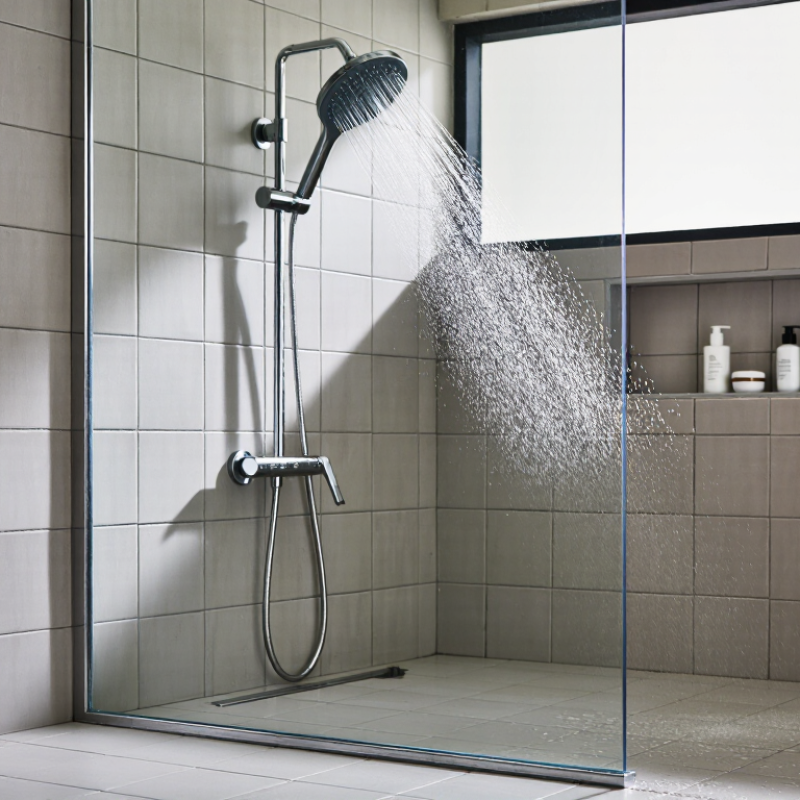
7 Hand Shower Use Tips for a Better Shower
Choose and Prepare the Hand Shower for Safe Use
A safer shower begins before the water flows. Choose a hand shower with a comfortable grip, flexible hose, and an easy-to-reach control. Look for a model with a flow rate of 2.0 gallons per minute or less. The U.S. Environmental Protection Agency’s WaterSense data shows that an efficient showerhead can save an average household about 2,700 gallons of water yearly. That choice also reduces energy use, not just water waste.
Check the connections by hand before installation. The hose should sit firmly against the washer, without twisting or forcing the thread. Run cool water first, then adjust the temperature slowly. The Centers for Disease Control and Prevention recommends setting household water heaters near 120°F to reduce scalding risks. Still, household systems vary. I would test the spray against my wrist before stepping in.
Keep the holder at a reachable height. A falling hand shower can crack, slip, or strike a foot. Use a wall anchor suited to the surface, and avoid relying on weak adhesive alone. Inspect the hose for bulges, rust, or small leaks each month. Replace damaged parts promptly. Do not ignore a minor drip. It may signal a loose seal or excessive pressure. A perfect setup is unlikely, but careful preparation prevents many avoidable mistakes.
| No. | Use Tip | Recommended Action | Safety or Comfort Benefit | When to Check |
|---|---|---|---|---|
| 1 | Choose an adjustable holder | Select a holder that keeps the hand shower secure and allows the spray angle to be adjusted without forcing the fitting. | A stable holder helps prevent the shower from falling and directs water away from the face when needed. | Before installation and after any loosening |
| 2 | Check hose and connections | Inspect the flexible hose, washers, and threaded connections for cracks, kinks, corrosion, or signs of leakage. Hand-tighten connections; avoid excessive force. | Early inspection can reduce water leakage, slipping hazards, and damage to nearby surfaces. | Before first use and regularly afterward |
| 3 | Start with a comfortable temperature | Run the water briefly and test it with a hand or forearm before directing the spray onto the body, especially after the water supply has been off. | Testing helps reduce the risk of a sudden burst of very hot or very cold water. | Every time the shower is turned on |
| 4 | Use the right spray setting | Use a gentle setting for the face, children, older adults, or sensitive skin. Use stronger settings only where they feel comfortable. | Lower spray force can improve comfort and help avoid irritation to sensitive areas. | At the beginning of each shower |
| 5 | Keep the hose clear of your feet | Hold the shower or place it in the holder so the hose does not form a loop across the shower floor. | Keeping the floor clear lowers the chance of tripping or becoming entangled. | During every shower |
| 6 | Clean the spray nozzles | Wipe the nozzles regularly to remove mineral deposits. Follow the product instructions before using any descaling solution. | Clean nozzles help maintain an even spray and may reduce irregular jets caused by buildup. | Whenever spray flow becomes uneven |
| 7 | Store and inspect after use | Return the hand shower to its holder, allow excess water to drain, and replace any damaged hose, holder, washer, or shower head before continued use. | Proper storage reduces impact damage and ensures the equipment is ready for safe use next time. | After every shower and during routine maintenance |
Safety note: Stop using the hand shower if you notice persistent leaks, damaged electrical equipment nearby, loose fittings, or an unstable holder. Follow the installation and care instructions supplied with the product.
Place it about 10–20 centimeters above the user’s shoulder level. Check the hose while standing, kneeling, and rinsing your feet. Comfortable reach matters more than perfect alignment.
Aim the spray 30–45 degrees downward toward the shoulders or chest. Avoid spraying directly at the face. Move it closer for shampoo rinsing and farther away for gentle body rinsing. Small adjustments help.
Start with lukewarm water and increase it gradually. Around 38–40°C suits many adults, but comfort differs. Test the water on your inner wrist first. Children and older adults need extra care.
Lower the temperature by a few degrees. Keep the water below the point where skin turns red. Shorter showers may also reduce dryness. I sometimes choose hotter water after exercise, but my skin often regrets it later.
Wet your shoulders and back before applying cleanser. Hold the shower about 10–15 centimeters from your skin. Use slow, overlapping passes instead of spraying one spot. Direct water toward the neck, underarms, and feet.
Rinse in sections, beginning at the neck and moving downward. Spend extra time near hairlines and skin folds. A final rinse can remove leftover cleanser. Rushing here is an easy mistake.
Run clean water through the spray face for several seconds after use. Wipe away residue with a soft cloth. Hang it securely on the holder, never by the hose. Keep it off the floor and in a dry, ventilated area.
Inspect the spray openings weekly under bright light. Rub deposits gently with your fingers or a soft brush. Use only a mild solution suited to the fixture. Check seals and connections every few weeks. Do not force openings with sharp metal objects. I sometimes skip inspections, and uneven spray quickly exposes that habit.
This guide to Hand Shower Use explains how to prepare and operate a hand shower safely and comfortably. It covers checking the hose, holder, and connections before use, then adjusting the shower height, spray angle, and water temperature to suit your needs. With the right setup, you can reduce splashing, improve coverage, and create a more relaxing shower routine. The guide also introduces seven practical techniques, including directing water to different areas, using gentle pressure, rinsing efficiently, and keeping the shower head at a comfortable distance.
Proper care is equally important for reliable long-term performance. After each use, rinse away soap residue, wipe the surface, and check the spray openings for mineral buildup. Regular descaling and careful cleaning can help maintain steady water flow. Finally, return the hand shower to a secure holder, avoid sharply bending the hose, and inspect the connections occasionally. These simple habits make daily showering safer, cleaner, and more convenient.

 XuanYu Sanitary