Choosing the 2026 Best Wc Hand Shower requires more than comparing finishes, prices, and online ratings. Global buyers need a fixture that performs reliably across different bathrooms, water pressures, and installation standards. A suitable Wc Hand Shower should provide a steady spray, comfortable grip, flexible hose, and dependable shut-off control. Stainless steel, reinforced connections, and replaceable washers can reduce maintenance problems. Small details matter.
Richard Trethewey, a respected plumbing expert and longtime This Old House contributor, offers a practical reminder: “A good fixture must work reliably before it looks impressive.” His point remains valuable for international purchasing decisions. A polished chrome surface may look attractive, but weak internal parts can create leaks within months. Buyers should examine pressure requirements, thread compatibility, hose length, and warranty support before ordering. Local plumbers also deserve attention, because installation advice can expose problems that product photos hide.
Real bathrooms are rarely perfect. Pipes may sit behind narrow walls. Water pressure may change during peak hours. Some sellers also use vague descriptions. That deserves caution. Certifications should be verified through reliable documentation, not copied logos. Materials should be clearly identified, especially when the product touches household water. An ideal Wc Hand Shower balances hygiene, usability, durability, and simple installation. It may not be the cheapest choice. It may not be the most fashionable, either. Yet a dependable spray, secure holder, and responsive customer service often matter more than appearance. This guide examines those practical differences for buyers seeking a safer, longer-lasting solution in 2026.
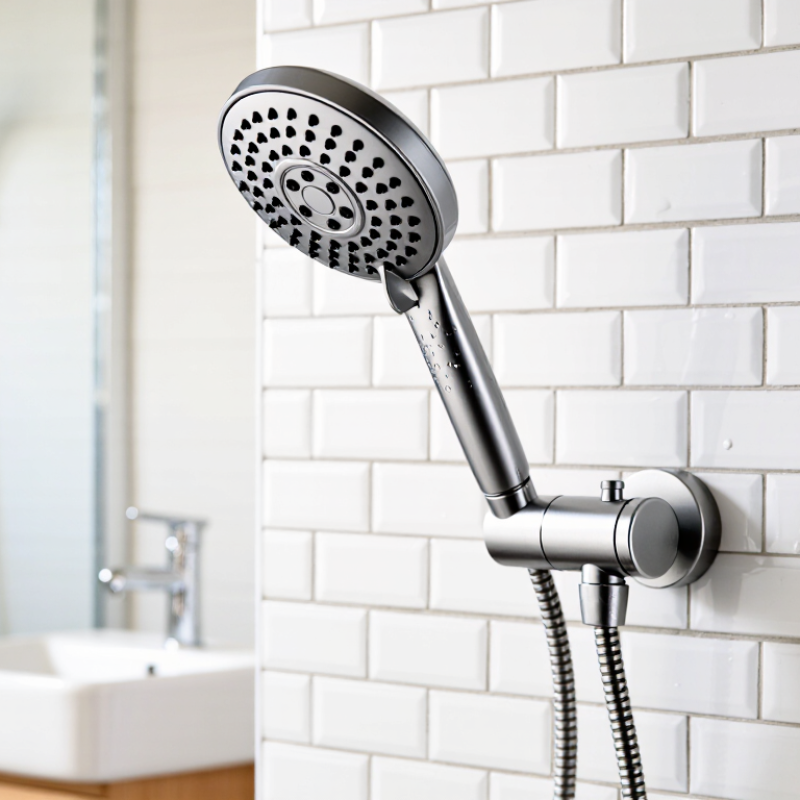
A WC hand shower, often called a bidet spray, is a handheld nozzle fitted beside a toilet. It uses the building’s cold-water supply to provide targeted personal cleansing. The nozzle connects to a flexible hose and a wall-mounted holder. A small trigger controls the spray.
When the trigger is pressed, water travels through the hose and exits through the nozzle holes. Releasing it stops the flow. Simple, but pressure matters. Excessive pressure can feel uncomfortable and may cause splashing. A shutoff valve should be closed after use, even when the trigger appears fully released. This small habit reduces stress on the hose and internal seals.
For global buyers, check the inlet size, thread standard, hose length, and available water pressure before choosing a WC hand shower. These details are not universal. An adaptor may be needed. Reliable installation should include suitable backflow protection and a secure wall connection, following local plumbing requirements. Look for corrosion-resistant materials, a smooth trigger, and a hose that bends without kinking. The nozzle also needs regular cleaning, especially around its small outlet holes. A quick rinse is useful, but it is not a complete maintenance plan. Some users expect a stronger spray to mean better cleaning; that assumption can be wrong. Comfort, control, and easy hygiene are usually more important than maximum force.
A WC hand shower is a handheld bidet spray connected to a water supply. When the trigger is pressed, water flows through the hose and nozzle for personal cleansing. Flow-rate benchmarks help buyers compare water control and efficiency, but local plumbing rules should always be checked.
The chart compares two recognized shower-flow benchmarks: the U.S. federal maximum of 2.5 gallons per minute and a voluntary efficiency benchmark of 2.0 gallons per minute. These figures equal approximately 9.46 and 7.57 liters per minute. A WC hand shower may be classified differently under local regulations, so buyers should confirm the required pressure, connection size, shut-off valve, and flow limit before installation.
Reference: U.S. Code of Federal Regulations, 10 CFR 430.10; U.S. EPA WaterSense Showerhead Specification.
Choosing a WC hand shower requires more than comparing price and finish. Start with backflow protection, because the spray head may sit near contaminated water. EN 1717 classifies protection against back-siphonage, while local plumbing rules may demand an approved check valve or air gap. Confirm compatibility before installation. The U.S. EPA WaterSense specification limits labeled toilets to 1.28 gallons per flush, showing how efficiency standards can reduce household water use. A hand shower should also offer a controlled spray, smooth trigger, and reliable shut-off valve.
Material matters in daily use. Stainless steel or reinforced hose construction usually handles repeated bending better than thin plastic. Check the connection size, hose length, pressure range, and temperature rating. A textured handle helps when hands are wet. Small details matter. I once chose a glossy metal set that looked excellent, but its stiff hose twisted beside the bowl. That was a poor practical decision. Cleaning is another concern: a removable nozzle and simple surfaces reduce residue buildup. WHO and UNICEF’s 2023 Joint Monitoring Programme reported that 2.2 billion people lacked safely managed drinking water in 2022. Hygiene-focused design must therefore support safe handling, not only appearance.
Tips: Test the shut-off valve before regular use. Choose a hose that reaches comfortably without touching the floor. Ask for test certificates and installation guidance. Do not assume every fitting is universal. The best selection may cost slightly more, but a slow leak can waste water and create maintenance problems.
Choosing a WC hand shower involves more than appearance. Type, material, and spray control affect comfort, durability, and daily cleaning.
A trigger-style hand shower gives direct control and usually reduces water waste. A thumb-slide model may feel easier for users with limited hand strength.
Multi-spray heads offer soft, focused, or wide patterns, but extra settings can reduce pressure. Test the control with wet hands. Small details matter.
Stainless steel and brass bodies generally provide strong long-term performance. ABS plastic is lighter, often more affordable, and less likely to feel cold. However, low-quality plastic may discolor or crack near hot pipes. Silicone nozzles help remove mineral deposits with a simple finger wipe. They still need regular cleaning in hard-water areas.
Check hose flexibility, connector quality, and the shutoff valve before installation. A leak can appear slowly, not immediately. Flow regulators may improve control, but some users find the spray too weak. Local water pressure and plumbing standards also differ between countries, so one design cannot suit every bathroom.
I once preferred a polished metal finish, yet water spots made it look untidy within days. Matte surfaces can be more practical, though they may show scratches. A reliable choice balances material strength, comfortable handling, controlled spray, and easy maintenance.
For global buyers, a WC hand shower should be judged beyond appearance. Hygiene begins with controllable water flow, easy cleaning, and surfaces that do not trap residue. The WHO and UNICEF Joint Monitoring Programme reported that 2.0 billion people lacked basic household hygiene services in 2022. That figure makes simple, reliable handwashing equipment important, especially where bathrooms serve several users.
Safety needs practical testing. Choose a hand shower with a temperature limiter, stable pressure control, and a secure hose connection. The U.S. Consumer Product Safety Commission warns that hot tap water can cause serious scald injuries, particularly for children and older adults. Test the outlet after pressure changes. A comfortable setting can become unsafe surprisingly fast. Backflow protection also matters. EN 1717 guidance addresses contamination risks in drinking-water systems, but local plumbing requirements may differ. Never assume one fitting suits every country.
Installation should allow inspection, cleaning, and replacement without breaking wall tiles. Confirm thread size, inlet position, hose length, and available water pressure before purchase. The CDC notes that effective hand hygiene depends on accessible facilities and correct use, not equipment alone. In real bathrooms, users may avoid a stiff trigger or a leaking hose. I still find product checklists incomplete. Drainage, splash control, and user height deserve equal attention. A short installation trial can reveal more than a polished specification sheet.
Global buyers need more than a polished finish. The WHO and UNICEF Joint Monitoring Programme reported that 3.5 billion people lacked safely managed sanitation services in 2022. This figure shows why WC hand showers must be practical, hygienic, and adaptable to local plumbing conditions. A reliable model should offer controlled spray pressure, a comfortable trigger, corrosion-resistant materials, and secure hose connections. Small details matter at installation.
European markets often require strong backflow protection and documented compliance with EN 1717 principles. Buyers in the United Kingdom should also check relevant WRAS requirements. North American projects commonly review ASME A112.18.1 and CSA B125.1 compatibility, but local plumbing authorities may interpret fittings differently. Check twice. Australian and New Zealand installations should consider AS/NZS 3500.1 requirements, especially where the spray hose can contact contaminated water.
In South Asia, Southeast Asia, and parts of Africa, unstable pressure makes a wide operating range valuable. A pressure-regulating insert can reduce harsh spray and water waste, although it may feel weak in low-pressure homes. Middle Eastern buyers may prefer robust metal bodies and finishes that tolerate hard water. Latin American projects often benefit from simple replacement parts and flexible hose lengths. The World Health Organization’s 2023 household water treatment guidance also reinforces the need for cleanable surfaces and careful maintenance. Product testing should include leakage, trigger fatigue, hose twisting, and shutoff performance—not only appearance.
It is a handheld nozzle beside the toilet. It connects to a flexible hose, holder, and cold-water supply.
Pressing the trigger sends water through small nozzle holes. Releasing it stops the spray. Pressure matters.
No. Close the shutoff valve after every use. This reduces stress on the hose and internal seals.
Check the inlet size, thread type, hose length, and water pressure. These fittings are not always universal.
The nozzle may sit near contaminated water. Suitable protection helps prevent water moving backward into household plumbing.
Stainless steel and reinforced hoses usually tolerate repeated bending. A textured handle helps when hands are wet.
Choose controlled pressure, not maximum force. Strong sprays may feel uncomfortable and create splashing.
Rinse the nozzle regularly and clear residue near its holes. Keep the hose off the floor and avoid sharp bends.
Yes. Unstable pressure may require a wider operating range or pressure regulator. Hard water favors durable, easy-clean surfaces.
Not necessarily. I once chose a shiny set with a stiff hose. It looked good, but twisted beside the bowl.
This guide explains what a Wc Hand Shower is, how its handheld spray system works, and why it has become a practical solution for modern bathroom hygiene. It examines important selection factors, including water pressure, hose length, ergonomic design, spray control, durability, ease of cleaning, and compatibility with different plumbing systems. Readers will also learn how various materials, such as stainless steel, reinforced plastic, and coated metal, affect performance, appearance, and service life.
The article compares different Wc Hand Shower types and control methods while highlighting essential safety and hygiene considerations, including leak prevention, secure mounting, temperature control, and regular maintenance. It also discusses installation requirements for new and existing bathrooms, helping global buyers evaluate regional water conditions, user preferences, and local compliance expectations. Finally, the guide presents practical recommendations for choosing suitable options for different markets in 2026, balancing comfort, reliability, cost, and long-term usability.

XuanYu Sanitary